Doing the same workout every week can make staying active feel like a chore. The good news is that exercise does not have to take place in a gym or follow the same routine every day. A change of scenery can make movement more enjoyable, and outdoor activities offer plenty of ways to stay active while enjoying fresh air and natural surroundings.
From hiking and cycling to kayaking, swimming, and simple nature walks, there is an option for almost every fitness level. Some fun outdoor activities build endurance, while others improve balance, strength, coordination, or mobility. Many also provide a mental break from screens and indoor routines.
The best activity is often the one that feels enjoyable enough to do regularly. Trying something new can add variety to a fitness routine without making exercise feel complicated.
Why Outdoor Activities Can Make Exercise More Enjoyable
A change in the environment can noticeably affect how exercise feels. Exercising outdoors may provide more visual variety than walking on a treadmill or using the same indoor equipment. Trails, parks, beaches, and open spaces can make a workout feel less repetitive.
Research has also linked time spent in natural environments with improvements in mood and reductions in perceived stress. While outdoor exercise is not a replacement for professional mental health care, spending time outside can be a valuable part of a balanced lifestyle.
There is also a practical benefit. Many activities require little or no expensive equipment. Walking, hiking, jogging, and bodyweight exercises can be done with minimal preparation. That makes them accessible for people who want to become more active without committing to a costly gym membership or complicated training plan.
Hiking Is A Simple Way To Add More Challenge
Hiking is one of the most versatile options for people who want to become more active. A flat nature trail can provide a relatively gentle workout, while steep inclines and uneven terrain create a greater challenge for the legs and cardiovascular system.
The intensity can also be adjusted easily. Beginners can start with shorter trails and moderate terrain. More experienced hikers can choose longer routes, steeper climbs, or trails that require greater balance and endurance.
Hiking also works well as a social activity. Friends and family can enjoy the experience together, and the pace can be adjusted to suit the group. For anyone bored with the same indoor workout, exploring a new trail can make the workout feel more like an adventure than a scheduled exercise session.
Cycling Can Build Endurance Without Feeling Repetitive
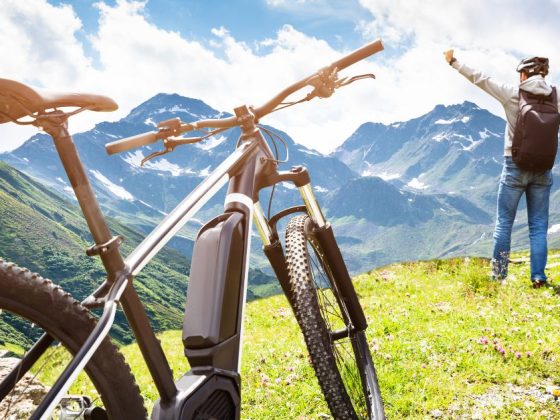
Cycling is another popular choice for improving cardiovascular fitness. Unlike many stationary workouts, cycling allows the route itself to become part of the experience. A short ride through a neighborhood, a longer trip along a dedicated cycling path, or a mountain biking route can each offer a different level of difficulty.
Cycling is also a low-impact activity compared with running because the bicycle supports much of the body’s weight. This can make it appealing to people who want to improve endurance while reducing repetitive impact on the joints.

A comfortable bike, a properly fitted helmet, and a safe route are important starting points. Traffic awareness also matters. Cyclists should follow local road rules and choose routes appropriate for their experience level.
Walking And Nature Walks Are More Powerful Than They Seem
Walking is often overlooked because it seems simple. Yet regular walking can contribute to cardiovascular health, improve mobility, and help increase daily physical activity. A brisk pace can raise the heart rate, while longer walks can gradually build endurance.
Nature walks add another layer to the experience. Parks, forest paths, coastal areas, and botanical gardens provide opportunities to move while enjoying changing scenery. This can make a regular walk feel more engaging than simply covering the same route every day.
A walking routine can also be easy to maintain. A 20-minute walk during a busy day may be more realistic than an ambitious workout plan that is difficult to follow. Consistency often matters more than choosing the most intense exercise possible.
Water Sports Add Variety To A Fitness Routine
Water-based activities can provide a refreshing alternative to land-based exercise. Swimming, kayaking, paddleboarding, and canoeing all involve different combinations of strength, coordination, and endurance.
Swimming is a full-body activity that can challenge the cardiovascular system while placing relatively little impact on the joints. Different strokes can also change the muscles and skills involved.
Kayaking and canoeing require upper-body and core engagement, while paddleboarding demands balance and stability. Beginners should learn basic water safety and use appropriate flotation equipment where required. Weather, water conditions, and local safety guidelines should always be considered before heading out.
Try Outdoor Fitness When Traditional Workouts Feel Boring
Exercise does not always need to involve a formal sport. Outdoor fitness can include bodyweight movements, circuit training, stretching, yoga, or mobility work in a park or backyard.
A simple circuit might combine walking or jogging with movements such as squats, step-ups, lunges, and modified push-ups. The routine can be adjusted to match the person’s fitness level. Short intervals can also make a familiar walk more challenging by alternating between comfortable and faster paces.
Outdoor yoga and stretching can provide a slower alternative. These activities may help improve flexibility, balance, and body awareness. A flat, stable surface is important, especially when performing movements that require balance.
Rock Climbing Offers A Different Kind Of Challenge
Rock climbing combines strength, balance, coordination, and problem-solving. Indoor climbing gyms are often the easiest places for beginners to learn the basics, but outdoor climbing can offer a more adventurous experience for those with proper training and equipment.
Climbing can be physically demanding even when a route looks short. The arms, legs, hands, and core all contribute to movement. Climbers also need to think carefully about body position and how to conserve energy.
Outdoor climbing should not be approached casually. Proper instruction, safety equipment, route knowledge, and appropriate supervision are essential. Beginners should learn from qualified instructors or experienced climbers before attempting more technical routes.
Team Sports Make Staying Active More Social
Team sports can be a good choice for people who lose motivation when exercising alone. Football, basketball, volleyball, tennis, and other recreational sports provide opportunities to be active while interacting with others.
The social aspect can make regular participation easier. A scheduled game creates a reason to show up, while friendly competition can add motivation. Team sports also involve varied movements, which can make the activity feel less repetitive than performing the same exercise over and over.
There is no need to be highly skilled to participate in recreational sports. Beginner groups and casual games can provide a more comfortable introduction. The most important consideration is finding an activity that matches the available space, fitness level, and interest.
Adventure Activities Can Turn Exercise Into An Experience
For those who enjoy excitement, adventure-based activities can add a stronger sense of purpose to physical movement. Ziplining, trekking, trail running, camping, and guided outdoor excursions can combine exercise with exploration.
These activities may require more planning than a regular walk or bike ride. Weather, transportation, safety equipment, and physical demands should be considered in advance. Some activities also require professional instruction.

Preparation can make the experience safer and more enjoyable. Checking the route, carrying enough water, wearing suitable clothing, and understanding the expected difficulty are simple steps that can prevent common problems.
How To Choose The Right Activity
The best choice depends on more than the activity’s popularity. A workout that is enjoyable, accessible, and appropriate for a person’s current fitness level is more likely to become a regular habit.
Consider these factors before starting something new:
- Current fitness level: Choose a manageable starting point and gradually increase the challenge.
- Available time: Short walks or bike rides may be easier to maintain than activities requiring long travel.
- Location: Parks, trails, beaches, and sports facilities can vary depending on where someone lives.
- Social preferences: Some people enjoy group sports, while others prefer solo activities.
- Safety requirements: Certain activities require instruction, protective equipment, or specific weather conditions.
- Personal interest: Enjoyment is an important factor in maintaining long-term consistency.
There is also no need to choose only one activity. A person might hike on the weekend, walk during the week, and cycle occasionally. This kind of variety can work different muscle groups and reduce the boredom that comes from repeating the same routine.
Safety Should Come Before The Challenge
Being active outdoors can be enjoyable, but the environment can also create risks that are less common indoors. Uneven surfaces, extreme heat, poor weather, traffic, water conditions, and unfamiliar terrain all require attention.
Preparation should match the activity. Comfortable footwear can make a major difference on a trail. A helmet is essential for many cycling activities. Water safety equipment is important for boating and other activities on or near the water.
Weather deserves special attention. Hot conditions can increase the risk of dehydration and heat-related illness. Cold weather can cause exposure-related problems. Checking conditions before leaving and adjusting plans when necessary are sensible parts of any active lifestyle.
Making Outdoor Activities Part Of A Regular Routine
Starting with an unrealistic plan can make a new activity difficult to maintain. A more practical approach is to begin with a manageable schedule and increase the duration or intensity gradually.
For example, someone new to hiking could begin with a short local trail once a week. Another person might take a brisk walk several evenings per week. Someone interested in cycling could start with short, familiar routes before attempting longer distances.
Small changes can also make regular movement easier. Keeping walking shoes ready, planning a route, or arranging an activity with a friend can remove some of the barriers that often lead to skipped workouts.
The goal is not to find the most extreme challenge. It is to find a form of movement that fits into everyday life and remains enjoyable over time.
[wp_GAM_ADS_InPost5_shortcode]
The Best Fun Outdoor Activities Are The Ones Worth Repeating
A new activity can provide more than a different workout. It can create opportunities to explore new places, spend time with other people, learn new skills, and take a break from repetitive routines.
Hiking, cycling, walking, swimming, water sports, team games, and adventure activities all offer different benefits. The right choice depends on personal interests, fitness level, available time, and access to suitable locations.
For anyone feeling stuck in the same exercise routine, trying something unfamiliar may be enough to bring back motivation. A new trail, a different sport, or a simple walk in a new location can make staying active feel fresh again.