There is something unforgettable about stepping outside everyday routines and taking on a challenge that pushes both body and mind. From soaring thousands of feet above the ground to navigating fast-moving whitewater, extreme adventure sports offer experiences that combine excitement, skill, and personal achievement. They appeal to people who enjoy testing their limits while exploring mountains, rivers, oceans, deserts, and skies in entirely new ways.
These activities are not simply about chasing thrills. Many participants are drawn to the sense of accomplishment that comes from learning new skills, overcoming fear, and connecting with nature. Proper training, quality equipment, and responsible planning also make many of these sports far more accessible than they might first appear.
Whether planning a future bucket list trip or exploring new outdoor activities, understanding what makes these sports unique can help travelers choose adventures that match their interests, fitness levels, and experience.
What Are Adventure Sports?
Adventure sports are recreational activities that involve physical effort, outdoor environments, and a degree of risk or challenge. Unlike traditional team sports played on fixed fields or courts, these activities often take place in natural settings such as mountains, rivers, forests, oceans, deserts, or the sky.
Most adventure sports require participants to develop technical skills while adapting to changing weather, terrain, or water conditions. Some focus on endurance, while others emphasize balance, climbing ability, speed, navigation, or teamwork.
Many people also use the term “extreme” to describe activities where greater heights, higher speeds, or more demanding environments increase both the excitement and the level of preparation required.
Why Extreme Adventure Sports Continue To Grow In Popularity
Interest in outdoor recreation has grown steadily as more people look for experiences instead of material possessions. Adventure travel gives participants memorable stories, beautiful scenery, and opportunities to disconnect from daily routines.
Social media has also introduced millions of people to destinations that were once known mainly by experienced climbers, divers, and outdoor enthusiasts. Spectacular videos of mountain summits, skydives, and whitewater expeditions inspire travelers to explore activities they may never have considered before.
Improved equipment, better safety standards, certified instructors, and guided tours have also made many sports more accessible for beginners. While proper preparation remains essential, learning opportunities are now available in many parts of the world.
Extreme Adventure Sports Worth Experiencing
1. Skydiving
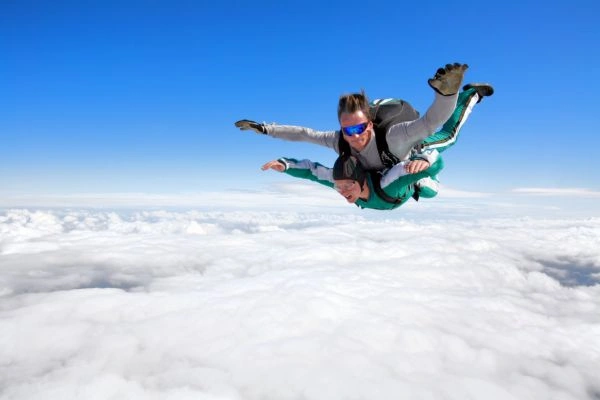
Skydiving remains one of the most iconic adrenaline activities in the world. Participants jump from an aircraft before deploying a parachute thousands of feet above the ground. The freefall provides an unmatched feeling of speed, followed by a peaceful descent with panoramic views.
Tandem skydives allow beginners to experience the sport while attached to an experienced instructor. This makes skydiving one of the more approachable options for first-time thrill seekers.
2. Bungee Jumping
Bungee jumping involves jumping from a high platform or structure while attached to a strong elastic cord designed to slow the fall and create a controlled rebound. Popular locations include bridges, cranes, cliffs, and specially designed towers.
The brief moment before the jump is often considered the hardest part. Once airborne, the rapid fall followed by the elastic rebound creates an unforgettable rush that lasts only seconds but leaves lasting memories.
3. Whitewater Rafting
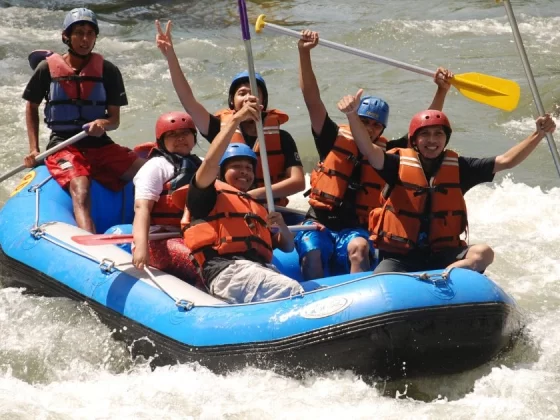
Fast-moving rivers provide an exciting combination of teamwork, physical effort, and unpredictable water conditions. Whitewater rafting ranges from beginner-friendly rivers to highly technical rapids suitable only for experienced paddlers.
Professional guides explain paddling techniques, safety commands, and rescue procedures before each trip. Working together is essential because every member of the raft contributes to navigating the river safely.
4. Rock Climbing
Rock climbing combines physical strength, strategic planning, and mental focus as climbers navigate challenging routes using specialized techniques and equip Climbers ascend natural rock faces using ropes, harnesses, helmets, and specialized equipment.
Indoor climbing gyms provide an excellent introduction before moving outdoors. Learning proper climbing techniques, rope management, and safety systems is essential before attempting larger climbs.
5. Ice Climbing
Ice climbing offers a completely different challenge from traditional rock climbing. Participants scale frozen waterfalls, glaciers, or ice-covered cliffs using crampons and specialized ice axes.
Cold temperatures, changing ice conditions, and technical climbing skills require careful preparation. Guided courses help beginners understand equipment, movement techniques, and safety procedures.
6. Mountain Biking
Mountain biking takes riders across dirt trails, forest paths, rocky descents, and steep climbs. Every trail offers different challenges depending on its terrain and difficulty.
Many destinations offer beginner-friendly trails along with advanced downhill routes featuring jumps, sharp turns, and technical challenges for experienced riders. Protective gear significantly reduces injury risks.
7. Scuba Diving
Scuba diving opens an entirely different world beneath the ocean’s surface. Coral reefs, shipwrecks, underwater caves, and marine wildlife attract divers from around the globe.
Certification courses teach essential underwater skills before divers explore open water. Proper buoyancy control, equipment maintenance, and communication are key parts of every safe dive.
8. Paragliding
Paragliding allows participants to launch from hillsides or mountains while using a lightweight wing to glide through the air.
Unlike skydiving, there is no freefall. Instead, pilots rely on wind currents and thermal air to remain airborne while enjoying spectacular landscapes below.
9. Canyoning
Canyoning combines hiking, swimming, climbing, rappelling, and jumping as you follow rivers through narrow canyons.
Every canyon presents different natural obstacles. Some routes involve swimming through deep pools, while others require rappelling down waterfalls with ropes under the guidance of trained professionals.
Sandboarding applies snowboarding techniques to towering desert dunes. Riders stand on specially designed boards while sliding down steep sand slopes.
Many desert destinations also combine sandboarding with dune buggy rides, camel treks, or overnight camping experiences.

Comparing Popular Extreme Adventure Sports
How To Choose The Right Extreme Adventure Sports Activity
Not every activity suits every traveler. Fitness level, comfort with heights, swimming ability, weather conditions, and previous experience all influence which option is the best fit.
Beginners often enjoy activities with guided instruction such as tandem skydiving, rafting, introductory scuba diving, or beginner climbing sessions. These experiences provide excitement while allowing professionals to manage technical aspects.
Travelers should also consider personal interests. Someone who enjoys mountains may prefer climbing or paragliding, while ocean lovers might find scuba diving more rewarding.
Safety Should Always Come First
The excitement of outdoor adventure never eliminates the importance of preparation. Most serious accidents occur because participants ignore weather conditions, overestimate their abilities, or skip proper safety procedures.
Choosing licensed guides, certified instructors, and reputable operators greatly improves safety. Professional organizations maintain equipment, inspect routes, and follow emergency protocols that independent travelers may overlook.
Participants should also inspect helmets, harnesses, flotation devices, climbing ropes, or diving equipment before every activity. Even experienced athletes follow routine safety checks.
Essential Gear For Outdoor Adventures
Quality equipment protects participants while improving comfort and performance. Specific gear varies by activity, but several essentials appear across many outdoor sports.
Common equipment includes:
- Certified helmets
- Protective eyewear
- Gloves
- Weather-appropriate clothing
- Waterproof footwear where needed
- Hydration systems
- Safety harnesses
- Life jackets for water activities
- First-aid kits
- Emergency communication devices
Properly fitted equipment performs much better than borrowed gear that does not fit the participant.
Physical And Mental Benefits
Although excitement attracts many participants, outdoor challenges also provide significant health benefits.
Regular participation improves cardiovascular fitness, muscular strength, balance, flexibility, and coordination. Hiking steep trails, paddling rivers, climbing rock faces, and cycling rough terrain all engage multiple muscle groups.
Mental health benefits are equally important. Outdoor environments help reduce stress while improving focus and confidence. Completing difficult challenges often increases resilience that carries over into everyday life.
Many people also discover that spending time in nature improves overall well-being. Fresh air, changing scenery, and reduced screen time create a refreshing break from daily responsibilities.
Common Mistakes Beginners Should Avoid
Excitement sometimes leads newcomers to overlook important details. Learning from experienced instructors helps prevent avoidable problems.
Common mistakes include:
- Choosing activities beyond current skill levels
- Ignoring weather forecasts
- Wearing inappropriate clothing
- Skipping safety briefings
- Renting poor-quality equipment
- Failing to stay hydrated
- Underestimating physical demands
- Not purchasing travel insurance for high-risk activities
Taking time to prepare often leads to a far more enjoyable experience.
Best Destinations For Extreme Adventure Sports
Some destinations have become internationally recognized for outdoor recreation because of their geography, climate, and established tourism infrastructure.
- New Zealand offers skydiving, bungee jumping, whitewater rafting, and hiking.
- Switzerland attracts climbers, mountaineers, skiers, and paragliders with its dramatic Alpine landscapes.
- Costa Rica offers a variety of outdoor experiences, including rainforest adventures, ziplining, surfing, rafting, and canyoning, often within convenient travel distance.
- South Africa offers diverse adventure experiences, including shark cage diving, bungee jumping, hiking, and wildlife safaris across its varied landscapes.
- Nepal remains one of the world’s premier destinations for trekking and high-altitude mountaineering.
Each location offers unique experiences while providing visitors with professional guides and well-developed tourism services.
Adventure Sports And Responsible Travel
Outdoor recreation depends on healthy natural environments. Responsible travelers help preserve these places by following local regulations and minimizing environmental impact.
Simple practices such as staying on designated trails, properly disposing of waste, respecting wildlife, and supporting locally operated businesses contribute to sustainable tourism.
Many adventure companies now encourage sustainable practices by reducing waste, limiting group sizes, protecting natural areas, and educating visitors about responsible outdoor recreation. Choosing operators that prioritize sustainability helps protect these destinations for future generations.
[wp_GAM_ADS_InPost5_shortcode]
Making The Most Of Every Adventure
Extreme adventure sports offer much more than an adrenaline rush. They combine physical activity, technical skills, natural beauty, and unforgettable experiences that challenge both body and mind.
Whether exploring underwater reefs, climbing mountain cliffs, flying above valleys, or navigating powerful rivers, every adventure requires preparation, respect for safety, and a willingness to learn. Beginners can start with guided experiences before progressing to more demanding activities as confidence and skills develop.
The greatest reward often goes beyond the excitement itself. Many participants leave with greater confidence, a deeper appreciation for nature, and memories that last long after the adventure ends.