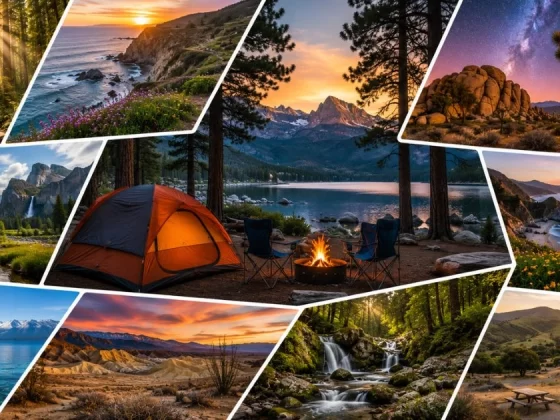
Outdoor travel is growing fast as more people look for scenic places that mix exercise with nature. The best hiking spots in the US are popular for their dramatic views, waterfalls, mountains, deserts, and wildlife. Social media has also helped many lesser-known trails go viral, bringing new attention to classic and hidden destinations.
Hiking is not just about photos. It is about embracing the outdoors, exploring public lands, and experiencing breathtaking landscapes that include coastal cliffs, forest trails, and alpine peaks.
Choosing a hike depends on fitness level, weather, and time available. Some trails are short and easy, while others require full-day effort or advanced preparation. Checking conditions before hiking is always important for safety.
What Makes A Hiking Spot Worth Visiting?
The most memorable trails usually combine natural beauty with a rewarding hiking experience. Scenic overlooks, waterfalls, wildflowers, unique geological formations, and diverse wildlife often make a trail stand out from countless others.
Accessibility also matters. Well-maintained trails, clear signage, nearby parking, and visitor facilities help make destinations enjoyable for a wider range of hikers. National parks and protected public lands often provide maps, safety information, and educational displays that improve the overall experience.
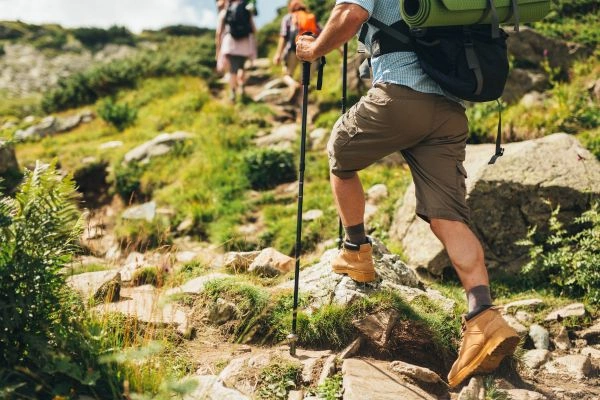
Trail variety is another important factor. Many of the best hiking spots offer multiple routes that accommodate beginners, families, and experienced hikers alike, allowing visitors to choose a trail that matches their abilities.
25 Best Hiking Spots In The US
Here are the best hiking spots in the US you might want to check and consider:
1. Angels Landing, Utah
Located in Zion National Park, Angels Landing is one of the most recognizable hiking destinations in the United States. The trail is famous for its steep switchbacks, narrow ridgeline, and panoramic views of Zion Canyon.
Because of its challenging final section, hikers should be comfortable with heights and follow all posted safety guidelines. A permit system helps manage visitor numbers and protect the trail environment.
2. Bright Angel Trail, Arizona
The Bright Angel Trail provides one of the most famous routes into the Grand Canyon.
The trail offers several turnaround points, allowing hikers to choose shorter or longer outings based on experience and weather. Descending into the canyon may feel easy at first, but the return climb requires considerably more effort and careful pacing.
Water stations are available seasonally, though hikers should always carry sufficient supplies.
3. Half Dome, California
Half Dome in Yosemite National Park has become one of the country’s most iconic hiking challenges.
The trail passes waterfalls, forests, and granite landscapes before reaching the famous cable-assisted climb near the summit. The final section requires caution, especially during wet weather.
A permit is required for the cable route to help preserve visitor safety and reduce congestion.
4. The Narrows, Utah
Unlike traditional mountain trails, The Narrows follows the Virgin River through towering canyon walls.
Much of the hike takes place in shallow water, making waterproof footwear and proper equipment especially important. Seasonal water levels determine whether the trail is open, so checking conditions before visiting is essential.
The combination of towering canyon walls and flowing water creates one of the most unique and unforgettable hiking experiences in the country.
5. Cadillac Mountain North Ridge Trail, Maine
Acadia National Park offers spectacular coastal scenery, and the North Ridge Trail to Cadillac Mountain remains one of its most popular hikes.
The gradual climb rewards visitors with sweeping views of forests, rocky coastline, and the Atlantic Ocean. Sunrise hikes are especially popular because Cadillac Mountain is among the first places in the United States to receive morning sunlight during parts of the year.
Cooler temperatures make early-morning hikes more enjoyable and comfortable during the warmer summer months.
6. Skyline Trail, Washington
Mount Rainier National Park’s Skyline Trail showcases glaciers, alpine meadows, waterfalls, and impressive mountain scenery.
Wildflowers bloom throughout much of the summer, attracting photographers and nature enthusiasts from around the world. Clear days provide outstanding views of Mount Rainier and surrounding peaks.
Visitors should remain on marked trails to protect delicate alpine vegetation.
7. Avalanche Lake Trail, Montana
Glacier National Park is home to numerous scenic hikes, and Avalanche Lake is among the most accessible.
The trail passes cedar forests, streams, and rocky cliffs before reaching a peaceful alpine lake surrounded by waterfalls. Moderate elevation gain makes the hike suitable for many visitors with average fitness.
Wildlife sightings are possible throughout the park, making awareness and proper food storage especially important.
8. Delicate Arch Trail, Utah
Delicate Arch has become one of the most photographed natural landmarks in the American Southwest.
The relatively short trail winds across exposed sandstone terrain before leading hikers to the iconic freestanding arch. Although the distance is manageable for many hikers, limited shade means carrying extra water is especially important during warmer months.
Visiting near sunrise or sunset often provides cooler temperatures and dramatic lighting for photography.
9. Highline Trail, Montana
The Highline Trail offers some of Glacier National Park’s most spectacular mountain scenery.
Steep cliffs, alpine meadows, and distant peaks accompany hikers along much of the route. Although parts of the trail are exposed, hand cables offer additional support and security along the narrower sections.
Mountain goats and bighorn sheep are frequently spotted along the trail, adding to the experience.
10. Old Rag Mountain, Virginia
Old Rag Mountain is among the most popular hiking destinations in Shenandoah National Park.
The trail features a mix of forest paths, rocky scrambles, and breathtaking summit views overlooking Virginia’s Blue Ridge Mountains. The rocky sections require careful footing and may take longer than expected for inexperienced hikers.
Weekday visits often provide a quieter experience compared with busy weekends.
11. Emerald Lake Trail, Colorado
Located in Rocky Mountain National Park, the Emerald Lake Trail offers beautiful scenery within a relatively short distance.
The route passes alpine lakes, pine forests, and mountain peaks before reaching Emerald Lake beneath dramatic granite cliffs. Because of its manageable length, the trail appeals to families as well as experienced hikers looking for a shorter outing.
Early arrival improves parking availability during peak travel periods.
12. Multnomah Falls Trail, Oregon
Multnomah Falls remains one of Oregon’s best-known natural attractions.
The paved trail climbs to viewing platforms overlooking the famous waterfall before continuing toward higher viewpoints for hikers seeking additional elevation. Moss-covered cliffs and dense forest create a classic Pacific Northwest landscape.
Visitors should remain behind safety barriers and stay on designated paths to protect both themselves and the surrounding environment.
13. Devil’s Bridge Trail, Arizona
Near Sedona, Devil’s Bridge has become one of the Southwest’s most photographed natural landmarks.
The trail passes red rock landscapes before reaching a large natural sandstone arch that offers sweeping desert views. Many visitors wait patiently for photographs, particularly during busy travel seasons.
Wearing shoes with good traction helps provide stability on uneven rock surfaces, especially after rainfall.
14. Cascade Canyon Trail, Wyoming
Located in Grand Teton National Park, the Cascade Canyon Trail offers impressive mountain scenery, alpine forests, and opportunities to spot wildlife such as moose and marmots. The trail follows a well-maintained route with stunning views throughout much of the hike.
Many visitors choose to take the boat across Jenny Lake to shorten the journey, allowing more time to explore the canyon itself. Early-morning hikes often offer cooler temperatures and a better chance of seeing wildlife.
15. Precipice Trail, Maine
The Precipice Trail in Acadia National Park is known for its steep climbs, iron rungs, and dramatic coastal views. It is recommended only for experienced hikers who are comfortable with exposed sections.
Seasonal closures may occur to protect nesting peregrine falcons, so checking park updates before visiting is important. When open, the trail offers one of the most exciting hiking experiences in the Northeast.
16. Ice Lake Basin Trail, Colorado
Ice Lake Basin is famous for its brilliant blue alpine lake surrounded by colorful wildflowers during summer. The climb is demanding but rewards hikers with some of Colorado’s most striking mountain scenery.
Because of the high elevation, hikers should pace themselves and stay hydrated throughout the journey. Afternoon thunderstorms are common, making an early start the safest choice.
17. Havasu Falls Trail, Arizona
Havasu Falls is known for its turquoise waters cascading through a desert canyon. Access requires permits, and reservations often fill months in advance because of its popularity.
Camping is part of the experience for many visitors, allowing extra time to explore multiple waterfalls within the canyon. Following local regulations helps protect this unique natural area.
18. Franconia Ridge Loop, New Hampshire
Franconia Ridge Loop offers panoramic mountain views across the White Mountains. The route combines forest trails with an exposed ridgeline that delivers spectacular scenery in every direction.
Weather conditions can change rapidly at higher elevations, making layered clothing and proper preparation especially important. Clear days provide some of the best summit views in the region.
19. Alum Cave Trail, Tennessee
Located in Great Smoky Mountains National Park, Alum Cave Trail passes streams, old-growth forest, rock formations, and scenic overlooks before reaching Alum Cave Bluffs.
Many hikers continue toward Mount LeConte, while others choose the bluffs as their turnaround point. The trail offers an enjoyable combination of moderate difficulty and rewarding scenery.
20. South Kaibab Trail, Arizona
The South Kaibab Trail provides another unforgettable way to experience the Grand Canyon. Unlike Bright Angel Trail, this route offers fewer shaded areas and no drinking water along the trail.
The open views allow hikers to appreciate the canyon’s immense scale from the very beginning. Carrying sufficient water and avoiding the hottest hours of the day are essential.
21. Lost Mine Trail, Texas
Big Bend National Park’s Lost Mine Trail showcases rugged desert mountains and sweeping views of the Chisos Basin. The trail climbs steadily through pine and oak forests before reaching scenic overlooks.
Spring and fall generally provide more comfortable hiking temperatures than the peak summer months. Wildlife sightings may include deer, birds, and other native species.
22. Grinnell Glacier Trail, Montana
Grinnell Glacier Trail ranks among Glacier National Park’s most scenic hikes. The route features turquoise lakes, waterfalls, alpine meadows, and dramatic mountain landscapes.
Although the trail requires moderate endurance, the glacier views make the effort worthwhile. Visitors should remain alert for wildlife and follow all park safety recommendations.
23. Observation Point Trail, Utah
Observation Point rewards hikers with one of the highest viewpoints overlooking Zion Canyon. The expansive panorama offers a different perspective from the more famous Angels Landing.
Depending on current trail conditions, hikers should verify which access routes are open before beginning their trip. Preparation ensures a safer and more enjoyable experience.
24. Mount Elbert Trail, Colorado
Mount Elbert is the highest peak in Colorado and attracts hikers looking to summit one of the state’s iconic fourteeners. The trail is physically demanding because of both elevation gain and altitude.
Proper acclimatization, steady pacing, and monitoring weather conditions are key factors for a successful hike. Starting before sunrise helps hikers return below the summit before afternoon storms develop.
25. Kalalau Trail, Hawaii
The Kalalau Trail along Kauai’s Na Pali Coast is widely regarded as one of the most beautiful coastal hikes in the United States. Towering cliffs, lush valleys, and ocean views create unforgettable scenery throughout the route.
Permits are required for overnight trips, and changing weather can quickly affect trail conditions. Checking forecasts before departure is strongly recommended.
Stay Safe And Protect The Trails
Even the best hiking spots in the US require careful planning and responsible behavior. Staying on marked trails, carrying enough water, informing someone about hiking plans, and respecting wildlife all contribute to a safer trip.
Practicing Leave No Trace principles also helps preserve these remarkable hiking spots for future visitors. Simple actions such as packing out trash, avoiding shortcuts, and respecting natural habitats make a meaningful difference.
[wp_GAM_ADS_InPost5_shortcode]
Exploring America’s Best Hiking Destinations
The best hiking spots offer much more than impressive photographs. They provide opportunities to experience diverse landscapes, improve physical fitness, and appreciate some of America’s most remarkable natural environments.
Whether exploring alpine mountains, coastal cliffs, desert canyons, or forest trails, thoughtful preparation and responsible hiking help ensure every adventure is both memorable and safe.